The importance of blade flexibility in a fish knife
The Ultimate Guide to Keeping Your Fish Knife for Longevity and Efficiency
Maintaining a fish knife is important for ensuring its durability and ideal performance. Correct treatment entails a series of steps, including cleansing, honing, and storage space. Each phase adds to the knife's effectiveness during usage. Understanding these techniques can make a significant difference in the lifespan of this essential device. Nevertheless, lots of customers ignore critical elements of upkeep that can result in wear and tear. What are these often-forgotten actions?
Choosing the Right Fish Knife for Your Demands
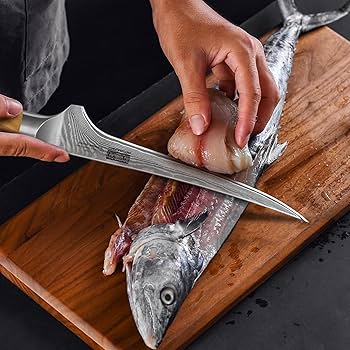
When selecting the perfect fish knife, what trick attributes should one take into consideration? The blade's versatility is paramount, permitting precision while filleting different fish varieties (fish knife). A thin, narrow blade commonly boosts ability to move, making it less complicated to browse around bones and skin. The product of the blade additionally plays a crucial function; stainless-steel supplies durability and rust resistance, essential for constant exposure to water
In addition, the take care of's layout needs to not be forgotten. It must supply a comfortable grip, ideally including non-slip materials that make certain safety and security during usage. The knife's length is another aspect; much shorter blades can supply much better control, while longer blades may be useful for larger fish. Weight is vital; a healthy knife enables for extended usage without exhaustion. By meticulously taking into consideration these attributes, one can choose a fish knife that fulfills certain demands for efficient fish preparation.
Proper Cleansing Techniques After Each Use
Correct cleansing techniques after each use are vital for maintaining the long life and efficiency of a fish knife. Instantly after filleting fish, it is critical to wash the knife under cozy water to remove scales, sludge, and any type of residual fish juices. Utilizing a soft sponge or towel, the customer must gently scrub the blade and manage, paying unique attention to any kind of crevices where debris might accumulate. Stay clear of using rough products that could scrape the blade's surface. After washing, the knife needs to be extensively dried with a clean towel to avoid moisture-related damage. If the knife has a wood take care of, applying a food-safe mineral oil regularly can aid maintain its stability. Storing the knife in an assigned sheath or magnetic strip can additionally protect it from unintended damage and ensure it stays tidy and all set for future usage. Regular adherence to these cleansing practices will improve the knife's life expectancy and performance.
Developing Your Fish Knife: Approaches and devices
Sharpening a fish knife is a critical process that enhances its performance and guarantees clean cuts while filleting. To accomplish optimum sharpness, a number of tools can be used. A whetstone is taken into consideration among one of the most efficient techniques, permitting accurate control over the sharpening angle. Users should damp the stone and keep a constant 20-degree angle while gliding the blade across its surface area.
Conversely, a refining rod can be utilized for routine maintenance, realigning the blade's edge without eliminating product. For convenience, electrical sharpeners provide a quick service, though they might not offer the same degree of finesse as manual methods.
No matter of the picked technique, it is important to complete with a natural leather strop to brighten the side, making certain a knifelike finish. Routine sharpening not just prolongs the life of the fish knife yet also enhances the general effectiveness of the filleting procedure.
Storing Your Fish Knife for Ideal Protection
After honing a fish knife, attention should transform to its storage space to preserve the blade's stability and performance. Correct storage is vital for preventing damage, corrosion, and dulling. Ideally, a fish knife should be stored in a protective sheath or knife roll, which guards the blade from call with other utensils and ecological elements (fish knife). Magnetic strips can additionally be effective, permitting for secure and available storage while keeping the blade safe
Regular Maintenance Regimens to Follow
A consistent upkeep regimen is crucial for preserving the capability and look of a fish knife. Regular cleaning after each use is critical; washing the blade with cozy water and mild soap removes any deposit. It is suggested to dry out the knife extensively to prevent rust. Regularly, a light application of food-safe mineral oil can help safeguard the blade and maintain its shine.

Saving the fish knife in a safety situation or sheath stops accidental damages and maintains it prepared for usage. Following these maintenance regimens will considerably boost the durability and effectiveness of the fish knife.
Regularly Asked Questions
Can I Use My Fish Knife for Other Sorts Of Fish?
Yes, a fish knife can be used for other sorts of fish. The effectiveness may vary depending on the knife's layout and the specific fish being refined, influencing efficiency and precision during preparation.
What Materials Are Best for a Fish Knife Blade?
Stainless steel and high-carbon steel are considered the most effective products for a fish knife blade. Stainless-steel supplies deterioration resistance, while high-carbon steel supplies remarkable intensity and side retention, crucial for effective fish prep work.
How Typically Should I Change My Fish Knife?
A fish knife ought to usually be changed every three to five years, relying on use and upkeep. Routine evaluation for indications of wear or damage can also aid figure out the best time for substitute.
Exist Certain Brand Names Known for Top Quality Fish Knives?
Certain brand names, like Wüsthof, Victorinox, and Rapala, are renowned for producing premium fish knives. These brand names are recognized for their longevity, intensity, and ergonomic designs, making them recommended options among angling enthusiasts and specialists alike.
Can Temperature Influence My Fish Knife's Performance?
Temperature level can substantially affect a fish knife's efficiency. Severe heat may create blade products to warp, while cool conditions can result in brittleness. Preserving an optimum temperature level is crucial for protecting the knife's capability and resilience.
The knife's length is another factor; shorter blades can provide much better control, while longer blades may be beneficial for bigger fish. Promptly after filleting fish, it is critical to rinse the knife under warm water to get rid of scales, sludge, and any type of recurring fish juices. After honing a fish knife, interest needs to transform to its storage space to maintain the blade's integrity and performance. Ideally, a fish knife must be saved in a safety sheath or knife roll, which shields the blade from contact with other utensils and ecological variables. Yes, a fish knife can be utilized for various other types click here of fish.